
Hot tub and pool wiring
Licensed pool & hot tub wiring services for safe, code-compliant installations in Odessa & West Tampa Bay.

Pool & Hot Tub Wiring Services in Odessa, Westchase, Trinity & Keystone, FL
Licensed Electricians for Safe, Code-Compliant Spa & Pool Wiring
A backyard pool or hot tub is one of the most rewarding upgrades a Florida homeowner can make — but the electrical work behind it is not something to take lightly. Water and electricity are an inherently dangerous combination, and improper wiring can lead to electric shock, equipment failure, or fire. At Reliable Electrician, we provide comprehensive pool and hot tub wiring services for homeowners throughout Odessa, Westchase, Trinity, and Keystone, handling every aspect of the electrical setup with the precision and care these systems demand.
Our licensed electricians are experienced with the full range of pool and spa wiring needs, including:
Pool & Hot Tub Light Wiring
Underwater and perimeter lighting enhances the ambience of your outdoor space while playing an important safety role — illuminating edges, steps, and potential hazards that become invisible in the dark. We install and wire both underwater and perimeter lighting systems designed specifically for wet and outdoor environments.
System & Equipment Wiring
From heating elements and jets to filtration systems and automation equipment, we handle the complete electrical setup for your pool or spa. Every system is assessed against your home's existing electrical capacity and wired to meet all applicable local codes for seamless, energy-efficient operation.
Controller & Pump Wiring
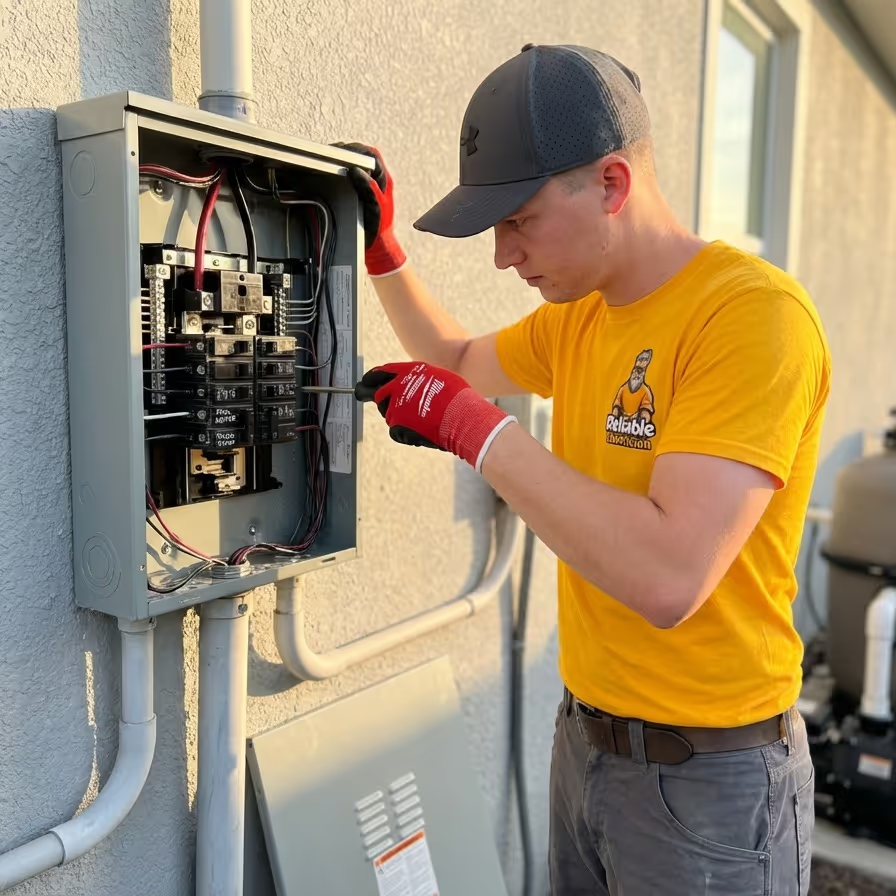
Pool and hot tub controllers require precise wiring to manage multiple components reliably. We connect all control systems correctly and ensure your pump wiring includes proper voltage levels, grounding, and circuit protection — extending equipment life and preventing costly electrical failures down the line.

Why Professional Pool & Hot Tub Wiring Is Non-Negotiable
Protecting Your Family, Your Equipment & Your Investment
The stakes with pool and hot tub electrical work are higher than with almost any other residential wiring project. The proximity of water to high-voltage systems creates risks that simply don't exist elsewhere in the home — and those risks multiply significantly when wiring is improperly installed, poorly grounded, or not up to current code standards.
Here's why hiring a licensed electrician for pool and hot tub wiring is essential:
- Safety — proper grounding, bonding, and water-resistant materials are critical safeguards against electric shock and fire; these are not areas where shortcuts are acceptable
- Code compliance — pools and hot tubs are subject to specific NEC requirements and local Florida regulations that go well beyond standard residential wiring rules; our electricians know these codes thoroughly and apply them to every installation
- Long-term reliability — quality materials rated for outdoor and wet environments, installed correctly from the start, protect your investment and reduce the likelihood of costly repairs down the road
- Insurance & resale protection — non-compliant pool wiring can void homeowner's insurance coverage and create serious obstacles during home inspections if you decide to sell
At Reliable Electrician, we approach every pool and hot tub wiring project with a thorough assessment of your property's electrical capacity, a clear upfront estimate, and a commitment to getting every detail right. We serve homeowners throughout Odessa, Westchase, Trinity, and Keystone with licensed, insured service and genuine respect for the safety of your family and your home.
Call Reliable Electrician today to schedule your pool or hot tub wiring service anywhere in West Tampa Bay, FL.


Get your electrical needs done with Reliable Electrician!
Get your appointment booked as soon as possible by calling us at (813) 333-5331 or contact us online
to learn more!
Frequent questions
Get clear, honest answers about our electrician services, scheduling, and what makes us the trusted choice
for electrical repairs.
You should call a licensed electrician if you notice flickering or dimming lights, frequently tripping circuit breakers, warm or discolored outlets, sparking switches, burning smells, or partial power loss. These are common signs of electrical wiring problems, overloaded circuits, or panel issues. Attempting DIY electrical repair can increase the risk of electrical fire or shock. Professional electrical repair ensures your system is diagnosed accurately and restored safely according to code.
Common indicators include breakers that trip repeatedly, buzzing sounds from the breaker box, overheating, corrosion, or appliances not running at full power. Older electrical panels may not support today’s energy demands from HVAC systems, kitchen appliances, EV chargers, and home electronics. An electrical panel inspection can determine whether repair, replacement, or a full panel upgrade is needed to improve safety and reliability.
Frequent breaker tripping is usually caused by overloaded circuits, short circuits, ground faults, or faulty wiring. While a breaker is designed to shut off power to prevent overheating and electrical fires, repeated tripping signals an underlying issue. A professional electrician can identify whether the problem involves wiring repair, circuit redistribution, appliance load imbalance, or breaker replacement.
GFCI outlet installation is required in moisture-prone areas such as bathrooms, kitchens, garages, laundry rooms, and outdoor spaces. Ground Fault Circuit Interrupter outlets reduce the risk of electrical shock by cutting power when irregular current flow is detected. If your outlets lack test and reset buttons in these areas, upgrading to code-compliant GFCI protection improves household electrical safety.
A residential electrical inspection is recommended every 3–5 years, especially for older homes or properties with recent renovations. Inspections help identify outdated wiring, aluminum wiring concerns, panel capacity issues, and potential fire hazards. Preventative electrical maintenance ensures your home’s electrical system remains safe, efficient, and capable of supporting modern power demands.
More services
Explore all services

Safe, Expert Electrical Solutions



Copyright © Reliable Electrician | 2017-2026 | All Rights Reserved